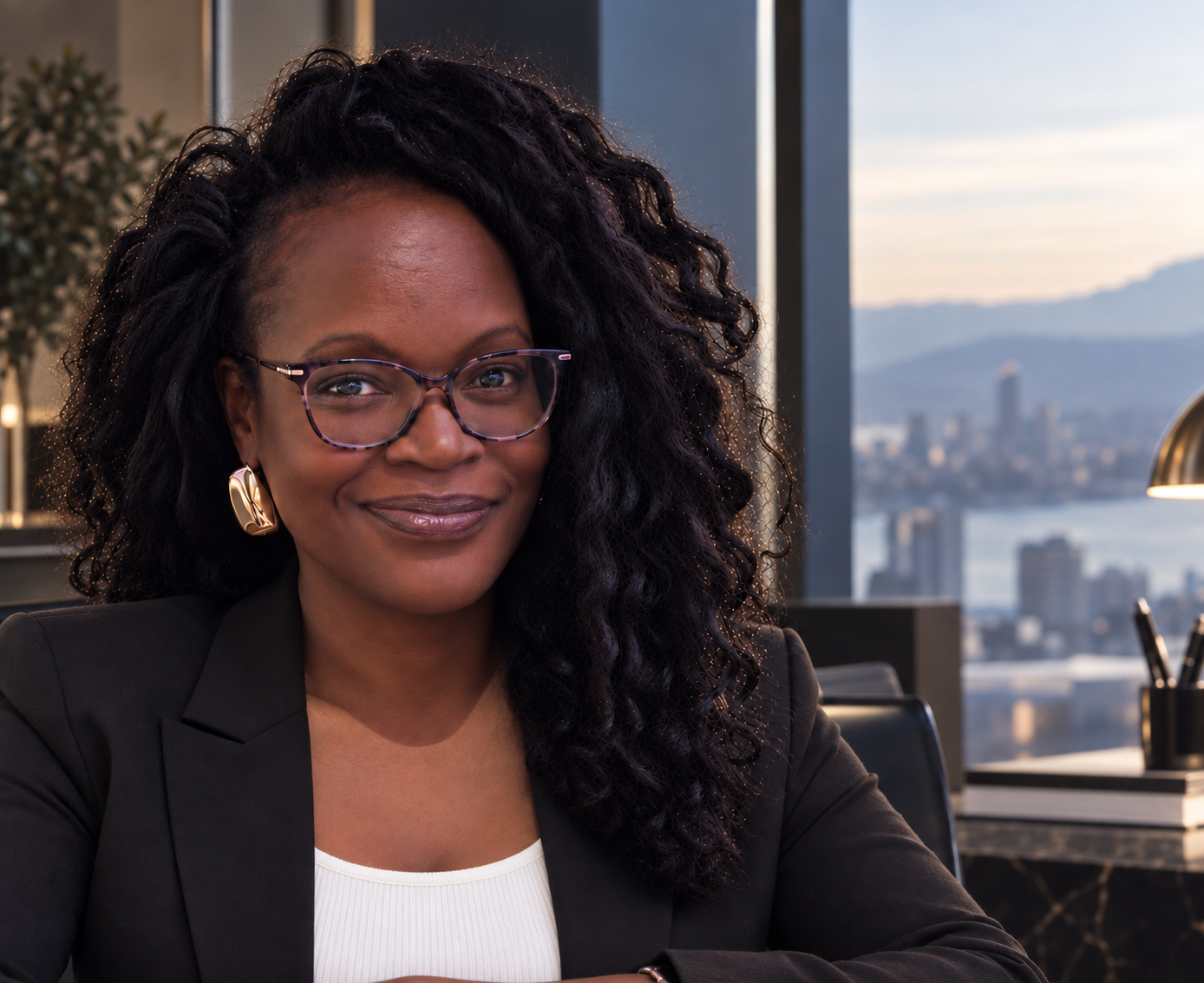
I turn emerging needs around digital wealth into propositions and operating models, financial institutions can actually use.
Client assets held partly outside the institution.
Ownership, access and succession across family members.
Digital assets that must be identified, accessed or transferred.
Access, responsibility and continuity beyond one person.
The problem is already operational.
Clients hold assets across multiple providers. Access can break at death. And inheritors often leave the incumbent wealth manager.
How we can work together
Three ways to engage, depending on where the problem currently sits.

Diagnostic
A structured look at one case or one process before anything is built.
Map the current model, identify the cases that fall outside it, and clarify where the most important gaps sit.
You receive
Current-state assessment
Priority gaps
Recommendations
Typical format
2-3 weeks.
Operating Model Build
From diagnosis to a working process that teams can actually use.
Define responsibilities, service boundaries, escalation routes and specialist involvement, then test the model against real cases.
You receive
Documented workflows
Decision rules
Internal guidance
Implementation roadmap
Typical format
8-12 weeks.
Ongoing Advisory
Specialist continuity for cases, decisions and periodic review.
Use ongoing support when individual questions, new cases or changes in market practice do not justify reopening a full project.
You receive
Case reviews
Direct specialist access
Periodic process review
Partner and provider input
Typical format
Quarterly advisor retainer.

How I work
1. Map what already happens
I start with existing cases, procedures, teams and partners to see where information or responsibility is missing.
2. Find where the chain breaks
I look at who knows an asset exists, what evidence is available, who can act, and where the decision-making process stops.
3. Define who does what
Clarify what the institution already handles internally, what sits outside its scope, and where legal, tax, technical or regulated specialists need to enter the process.
4. Build the working process
I translate those decisions into client questions, procedures, decision trees, handoffs and checklists.
5. Test it against real cases
I run the process against real or representative cases, identify what still fails and refine it.
6. Equip the teams
I train the teams who will use it, so they can handle the next case without starting again from scratch.



I have worked across the full chain of digital-asset ownership and succession since 2019.
I have built two businesses in this field and worked with notaries, wealth managers, lawyers, tax specialists, digital-security experts and technical providers.
Research notes, directly to your inbox.
Short analysis, case notes and practical observations on digital assets, wealth and succession.
First issue coming soon.
![image of financial analytics reports [interface]](https://cdn.prod.website-files.com/6aa5cff940f7225b4eab6e00/6aa65fe879cc6cc76854baa2_819c49b3-08cc-4694-9cbc-7a345c20c03f.avif)
START A CONVERSATIONLet’s talk about the cases your current process does not fully cover.
If digital assets sit outside your existing processes, succession or access creates uncertainty, or you are considering a new service around these issues, I would be interested in discussing the problem with you.